























Teams don’t wake up wanting a consultant — they look for one after:
- A messy setup
- Failed adoption
- Manual work overload
- Leadership frustration
“Uhhh… we paid for monday.com, so why isn’t it working?”
Do you need a consultant if monday.com isn’t working for your team the way you imagined? Let’s dive into the role of a consultant and help determine if working with one is the right strategic move for your team.
A Consultant’s Role
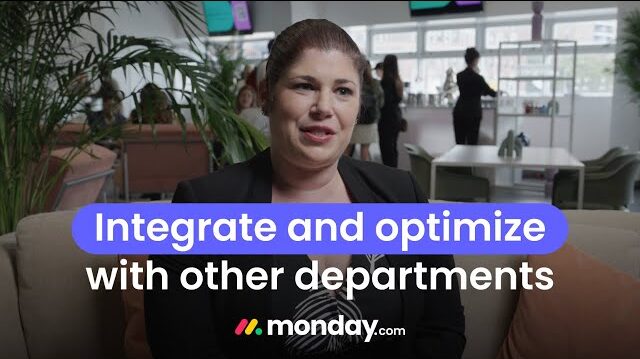
Here’s a quick video explaining the role of a monday.com consultant.
Partners are here to support you at ground zero
You know you could be working smarter with a work management system, but aren’t even sure which product is right for you.
Don’t sweat.
When you first meet with a monday.com consultant, they’ll ask you intricate questions about the way you work. What systems are you currently using? What features do you like? How could they be improved?
Getting a full picture of your workflow will help your consultant understand which product has the right features for your team.
monday.com’s product suite consists of:
- monday.com Work Management
- monday.com CRM
- monday.com Service
- monday.com Dev
Each product has specialized strengths to ensure the teams leveraging them aren’t overwhelmed with features, they’re using the ones most optimized for their workflows.
Consultants don’t just “build boards,” they design systems
A consultant’s core role is giving you the architecture and tools most useful for your team.
They help you identify:
- How work flows
- Where decisions happen
- How teams coordinate
- What scales vs what breaks
monday.com system design begins with the way you currently work. Transferring systems shouldn’t overhaul your teams’ current workflows, they’re meant to enhance them. A consultant will help you thoroughly map existing processes and help you understand where optimization is occurring.
That’s why:
A good consultant will start with diagnosing, not building
Sure, monday.com has infinite cool features to dive into. However, implementing several tools that aren’t going to impact your current workflows will just muddy your workspace.
Start with a monday.com audit. When your workflows are mapped, this helps your consultant understand the areas of optimization that your team can leverage right away.
Want to get started with a monday.com consultant? Schedule your free audit here:
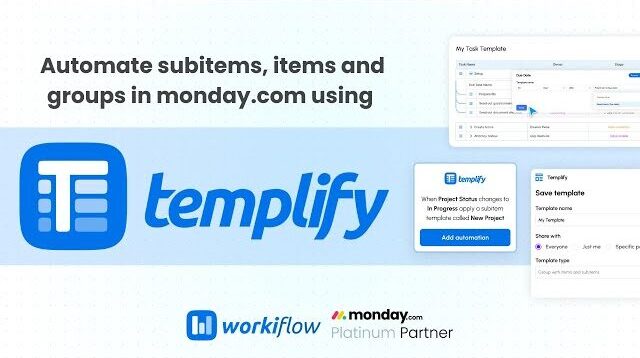
Consultants reduce manual work with automation, at the right time
Once you and your consultant understand areas of optimization, they will begin helping you eliminate manual work. Before adding automations, this can be done with forms, columns + connect boards.
Architecture comes first, automation second (even though we know it’s exciting and you want to get started). You’ll create an automation strategy and start with simple automations before moving into advanced functions
Consultants prevent over-automation and brittle systems
Consultants know what not to automate, and where workflows will break.
So before your team starts saying:
- “My monday.com automations aren’t working!”
- “Automations are breaking our workflows!”
- “We have too many conflicting automations in monday.com!”
A consultant is meant to be a risk reducer, preventing breaks and frustrations before they happen.
Want to get started with a monday.com consultant? Schedule your free audit here:
Consultants Design monday.com Around People, Not Reporting
After all, what’s the point of a new system if it doesn’t consider the people working within it?
“My team hates working within monday.com” = exactly what building systems around your team avoids.
When your team can visualize how their workdays will become easier when they can picture themselves within monday.com. When they see their workflows mirrored within monday.com but can watch automations and configurations save them manual work, that’s when buy in happens.
Your consultant takes your workflow map and brings it to life. As I’ve said, consultants build systems. That’s why having your unique processes reflected is so important.
They Align Leadership, Not Just Teams
Ah, yes. The centuries long battle between leadership and teams.
“They just bought it for us without understanding how we’ll actually work in it.” This is what we want to avoid at all costs.
Leading with empathy and understanding that this will be a change is your first step.
Consultants will work with you to help create a path to adoption that not only guides teams on how to leverage monday.com tools, but the benefits to leadership data capture and the mutual importance of both.
Proper adoption will also help leadership gain real-time insights on operations to help inform high-level decision making.
They Create Governance So Systems Don’t Decay
Consultants guide:
- Ownership
- Standards
- Naming conventions
- Decision rules
So monday.com stays usable as you scale. This differentiates short-term help from real consulting.
Consultants don’t replace ownership — they enable it
Consultants are here to remove complexity.
They don’t just understand features, they know how to build complex systems that streamline the way you work.
Get started with a free consultation from a Platinum Partner Expert Consultant today: